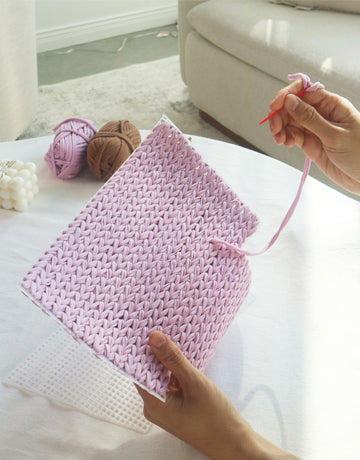

A knitting kit is the perfect entry point into the rewarding hobby of knitting, designed to eliminate the guesswork and make your first project a success. This guide explains what to look for in a quality kit, how to select the right one for you, and the basic steps to complete your first knitted item. With the right kit, you get all necessary materials—yarn, needles, and instructions—in one box, allowing you to focus purely on learning and creating.
H2: Why a Knitting Kit is the Best Way to Start
Embarking on a new hobby like knitting can feel overwhelming. A trip to the craft store presents a confusing array of needle sizes, yarn types, and unfamiliar accessories. A knitting kit simplifies this entire process by bundling everything you need for a specific project.
It provides the right tools, the correct amount of yarn, and clear instructions, so you can focus on the joy of creating. This all-in-one approach is like a meal-prep box for crafting, with all ingredients pre-measured and ready to go.
A Growing Trend for Guided Creativity
The joy of making something by hand has seen a significant resurgence. In North America, 52 million people took up knitting during the recent pandemic, and today's enthusiasts complete an average of 12 projects annually. Modern kits from brands like Stitch Mingle cater to this trend by including high-quality video tutorials, which are invaluable for visual learners. This guided experience builds confidence and ensures a finished product you can be proud of.
H2: What’s Inside a High-Quality Knitting Kit?
Opening your first knitting kit is like unboxing a creative adventure. Understanding the purpose of each component will help you get started with confidence.

The core components are the yarn and needles. A good beginner kit will feature a smooth, medium-weight yarn (like a worsted weight yarn) that makes it easy to see your stitches. The knitting needles will be the correct size, measured in millimeters (mm), to match the yarn. They can be made from wood or metal, each offering a different feel as the yarn glides over them.
Essential Tools: Understanding Knitting Notions
Beyond the yarn and needles, your kit will contain several small but vital accessories known as "notions."
- Tapestry Needle: A large, blunt-tipped needle used for weaving in loose yarn ends to give your project a clean, professional finish.
- Stitch Markers: Small rings or clips placed on the needle to mark your position in a pattern, track repeats, or count rows.
- Pattern/Instructions: Your project's roadmap. Modern kits often supplement printed patterns with QR codes linking to step-by-step video tutorials.
Anatomy of a Beginner-Friendly Knitting Kit
A truly comprehensive kit goes beyond the basics to ensure a seamless crafting experience. Here's a comparison of what you might find.
| Component | Standard Kit Contents | Stitch Mingle Kit Advantage |
|---|---|---|
| Yarn | 1-2 balls of generic yarn | Pre-measured, premium-quality yarn (e.g., Merino wool, soft acrylic) specific to your project. |
| Needles | 1 pair of standard needles (e.g., 9mm straight needles) | The exact needle size and type (e.g., 10mm circular needles) required. |
| Instructions | Printed pattern with text and charts | Printed guide PLUS a QR code for step-by-step HD video tutorials. |
| Notions | May include a tapestry needle and some markers | A complete set: tapestry needle, stitch markers, measuring tape, and often a crochet hook for fixing mistakes. |
| Hardware | Usually not included | All necessary hardware, like bag straps, clasps, or closures, is included for project completion. |
H2: How to Select the Right Knitting Kit for Your Needs
Choosing your first knitting kit is an exciting step. To find the perfect match, start by asking yourself what you want to make. A small, achievable project like a scarf, hat, or coaster provides a quick sense of accomplishment and builds confidence.

Key Factors for Choosing a Beginner Kit
- Project Size & Complexity: Start small. A large project like a blanket can be discouraging. A quick-to-finish item provides instant gratification and motivates you to continue.
- Yarn Properties: Choose a light-colored, smooth yarn. This makes it significantly easier to see your individual stitches and identify any mistakes. Wool and acrylic blends are excellent choices for beginners.
- Instructional Quality: This is critical. Look for a knitting kit that includes access to video tutorials. Visual guidance is far more effective for learning physical skills than text-only patterns. An incredible 35% of knitters now purchase kits online, highlighting the demand for clear, accessible digital instructions.
H2: How-to: Your First Knitting Project Step-by-Step
You've unboxed your knitting kit and are ready to begin. This section will guide you through the fundamental steps to turn that ball of yarn into a finished piece.
Step 1: Casting On
Every knitting project begins with a slip knot, a simple loop that anchors the yarn to your needle. From there, you'll cast on—the process of creating the first row of stitches. This forms the foundation of your work. While it may feel awkward initially, watching a video tutorial will clarify the hand movements and help you develop a rhythm.
Step 2: The Knit Stitch
The knit stitch is the most fundamental stitch in knitting. Most beginner projects use this stitch exclusively. It’s a simple four-part motion:
- Insert: Insert the right needle tip into the front of the first stitch on the left needle.
- Wrap: Wrap the working yarn counter-clockwise around the right needle tip.
- Pull Through: Scoop the wrapped yarn through the loop on the left needle.
- Slide Off: Slip the original stitch off the left needle.
You have now completed one knit stitch. Repeat this motion to create rows of fabric. Don't worry about perfection; focus on consistency.
Dropped a stitch? Don't panic! Mistakes are a normal part of the learning process. A video guide is an invaluable resource, allowing you to pause, rewind, and see exactly how to fix common errors.
Step 3: Casting Off
Once your project reaches the desired length, you need to cast off (or bind off). This technique secures the live stitches to create a finished edge and prevent your work from unraveling. Like casting on, it is a simple, repetitive motion. Finally, use the tapestry needle from your kit to weave in any loose yarn ends for a polished look.
H2: Troubleshooting Common Knitting Mistakes
Every new knitter encounters a few common issues. Learning to fix them is a key part of mastering the craft.

Achieving Consistent Tension
Tension refers to how tightly or loosely you hold your yarn, which affects the final fabric.
- Too Tight: If your stitches are difficult to work, consciously relax your hands. Metal needles can also help yarn slide more easily.
- Too Loose: If your fabric has large gaps, create more drag by wrapping the working yarn around your finger. This provides better control.
Quick Fixes for Common Stitch Problems
A good knitting kit provides high-quality materials that make spotting and fixing errors easier.
| The Problem | Description & Cause | The Fix |
|---|---|---|
| Dropped Stitch | A horizontal strand of yarn ("ladder") appears below an empty space where a stitch should be. | Use a crochet hook or your needle tip to catch the loose loop and pull it up through the "ladder," effectively rebuilding the stitch. |
| Accidental Yarn Over | An extra loop appears on your needle, creating a small hole. Caused by wrapping the yarn over the needle between stitches. | On the next row, simply drop the extra loop off the needle before working the next stitch. |
| Split Stitch | The yarn appears frayed because the needle tip went through the plies of the yarn instead of around the whole stitch. | Tink (un-knit) back to the affected stitch and re-knit it, ensuring your needle goes cleanly through the entire loop. |
H2: Frequently Asked Questions (FAQ)
It's normal to have questions before you start. Here are answers to some common queries from new knitters.
How long does it take to finish a beginner knitting kit?
This depends on project complexity and your available time. A simple knitting kit for a coaster or keychain, like those from Stitch Mingle, can often be completed in a single weekend. A scarf may take a week of casual knitting.
What is the best yarn for a complete beginner?
A smooth, light-colored, worsted-weight or chunky-weight yarn is ideal. Smooth texture prevents snagging, while a light color makes stitches easy to see. Avoid very dark, fluffy (mohair), or novelty yarns for your first project.
Can I really learn to knit just from a kit?
Absolutely. A well-designed knitting kit is one of the best ways to learn. Modern kits with high-definition video tutorials act as a personal instructor, allowing you to learn at your own pace from the comfort of your home.
What do I do if I run out of yarn?
Premium kits are designed with ample yarn. However, if you run short, the yarn label in your kit contains all the necessary information (brand, weight, dye lot) to purchase more. For a Stitch Mingle kit, our customer support is also available to assist.
Ready to dive into your own creative journey? Find your perfect all-in-one project at Stitch Mingle and see for yourself how fun and relaxing crafting can be.
- Explore Our Beginner-Friendly Leather Craft Kits
- Check Out the Popular Kainy Bag Kit
- Get Started with a Cute Puppy Keychain Kit
- View All Our DIY Project Kits
- Our Guide on Getting Started with DIY Crafts
- Guide on Choosing a Beginner Knitting Kit
- Guide on Finding the Best Embroidery Kit for Beginners