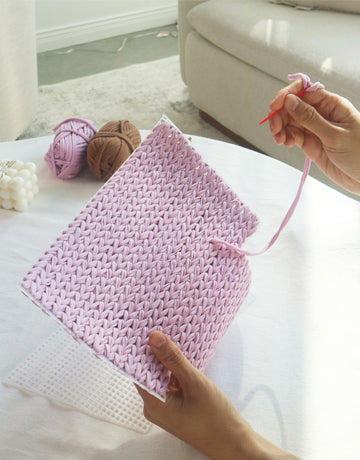

The popcorn stitch is a foundational crochet technique that creates a raised, 3D ‘pop’ texture in fabric. It is made by clustering several stitches (typically five double crochets) into the same space and then cinching them together. This guide provides a step-by-step tutorial on how to master the popcorn stitch, including troubleshooting tips, project ideas, and customization techniques for all skill levels.
Understanding the Popcorn Stitch

The popcorn stitch crochet technique is a method for creating significant texture. By grouping multiple stitches—usually five double crochets (dc)—into one stitch and then joining the first and last stitch of the group, the cluster is forced to pop forward, creating a dimensional, bobble-like effect. It is a surprisingly simple trick that makes your work look incredibly detailed and fun.
The Appeal of Textured Crochet
The charm of the popcorn stitch is more than just its bubbly look; it’s incredibly versatile and adds a satisfying, tactile quality to finished items. It is ideal for:
- Blankets and Afghans: Adds weight, warmth, and a cozy, substantial feel.
- Amigurumi: Creates puffy features like feet, ears, or noses.
- Decorative Items: Provides standout patterns on pillows, bags, and apparel.
For beginners, mastering this stitch is a significant confidence booster. It enables the creation of projects that appear complex without requiring advanced skills.
The popcorn stitch is my go-to for making a project truly stand out. It’s a simple move that adds a wow factor, transforming a flat piece of fabric into a work of art you just have to touch.
Market Trends in Textured Crochet
Highly textured stitches are a significant trend in modern crafting. In Canada, the popularity of the popcorn stitch has grown substantially, with a 45% increase in online tutorial views from Canadian crochet channels since 2020.
The numbers support this observation. The Canadian Crafters Guild reported that in 2023, over 28,000 crochet kits featuring popcorn stitches were sold across the country, accounting for nearly a third of all crochet supply sales in major cities. You can learn more about the history of crochet and its modern resurgence.
This guide provides the skills needed to engage with this trend and create beautiful, textured pieces.
Essential Tools and Materials

Selecting the appropriate tools is critical for learning a new stitch. The right supplies make the process more enjoyable and reduce frustration.
Yarn and Hook Selection
For learning the popcorn stitch, a smooth, light-coloured worsted-weight yarn is recommended. This type of yarn allows for clear visibility of each loop and stitch, which is crucial for mastering the technique. Avoid dark or novelty yarns that can obscure stitch definition. For a project with excellent drape and feel, consider options like Egyptian cotton yarn.
A size H (5.0mm) crochet hook is the ideal companion for worsted-weight yarn. This combination produces plump, well-defined popcorn stitches without creating a fabric that is too stiff or tight to work with.
Necessary Accessories
Several small tools can significantly improve your crocheting experience.
- Stitch Markers: Essential for marking the beginning of a round, identifying pattern repeats, or locating the placement for a future popcorn stitch. They are invaluable for preventing miscounts.
- Sharp Scissors: A dedicated pair of small, sharp scissors ensures clean cuts and prevents frayed yarn ends.
- Tapestry Needle: A blunt-tipped needle used for weaving in ends, which gives a finished project a polished, professional look.
Getting your tools ready beforehand is like setting up your own little creative sanctuary. When everything is within reach, you can just relax and focus on the joy of crocheting. A little prep goes a long way!
For a review of foundational techniques before you begin, our complete guide on how to crochet for beginners is an excellent resource.
How to Crochet the Popcorn Stitch: A Step-by-Step Guide
The core concept of the popcorn stitch is to create a cluster of stitches in the same location, then use a specific technique to compress them so they pop forward, creating the signature texture.
The 5-DC Popcorn Stitch Method
This tutorial covers the most common variation, the 5 double crochet (dc) popcorn stitch.
- Work 5 double crochet (dc) stitches all into the same stitch or space. The stitch will feel crowded; this is correct, as this cluster forms the "stuffing" for your popcorn.
- After completing the fifth double crochet, carefully remove your hook from the active loop.
- Insert your hook from front to back into the top of the first double crochet of the 5-stitch group.
- Now, grab the dropped loop with your hook and pull it through the first stitch. This action will cause the five stitches to bunch up and 'pop' forward toward you.
- Chain one (ch 1) to secure the popcorn stitch. This locking chain creates a neat top, making it easy to work into on the subsequent row.
You have now created a perfect popcorn stitch. The texture will protrude from one side of the fabric.
The real ‘aha!’ moment for me was realizing what that final 'pull through' actually does. It's not just gathering the stitches; it's a specific move that forces all that texture to one side of your work. Once you get the hang of that, the whole stitch just clicks.
Variations and Customization
One of the greatest strengths of the popcorn stitch is its adaptability. By altering the number and type of stitches in the cluster, you can control the size and prominence of the pop.
The stitch is experiencing a surge in popularity. In California, sales of patterns featuring the popcorn stitch increased by 52% between 2021 and 2026. This demonstrates how texture can elevate a project's design. For a deeper look into crochet's evolution, see the rich history of crochet on Interweave.com.
Popcorn Stitch Variations and Their Effects
The table below illustrates how modifying the number of double crochet (dc) stitches affects the final texture.
| Number of Stitches | Resulting Texture | Best Used For |
|---|---|---|
| 3 Double Crochets | A subtle, delicate bump. Almost like a tiny bead. | Edging on baby blankets or delicate, lacy shawls. |
| 5 Double Crochets | The classic, well-rounded pop. | All-purpose use in afghans, pillows, and bags. |
| 7 Double Crochets | A very large, bold, and dense pop. | Creating dramatic texture on statement pieces like pillows. |
Experimenting with these variations is a fantastic way to develop a personal style. You might prefer a smaller pop for amigurumi details or an oversized popcorn for a plush blanket.
If you're inspired to explore more textures, see our complete guide to various crochet stitches.
Troubleshooting Common Issues
Encountering issues when learning a new stitch is a normal part of the process. Below are solutions to the most common problems associated with the popcorn stitch.
My Popcorns Look Flat or Aren't Popping
This is the most frequent issue. If you have created the 5-dc cluster but it lacks dimension, the problem is likely hook placement.
To form the pop, you must insert your hook into the top of the first double crochet of the group before pulling the dropped loop through. Inserting it into the second or third stitch will not create enough tension to force the cluster to pop forward.
Also, be aware of stitch direction. The popcorn stitch naturally pops away from you (to the back of the work). To have the texture appear on the "right side" of a flat project, you must crochet the popcorn stitches on the "wrong side" rows.
My Tension Is Uneven and My Popcorns Look Messy
Inconsistent tension can result in popcorns that vary in size and neatness. This is common, as the multi-step stitch can disrupt a crafter's natural rhythm.
If your popcorns look uneven, consider the following:
- Check Your Grip: Many crocheters tense their hands when making a new or complex stitch. Consciously relax your hands before and after each popcorn stitch.
- Make a Practice Swatch: A no-pressure swatch is the best way to build muscle memory. Practice making rows of popcorns until your hands become accustomed to the new rhythm.
- Count Every Stitch: Ensure you are making the same number of double crochets for every popcorn. An accidental variation will create a noticeable difference in size.
Think of every mistake as a clue from your project. A flat popcorn isn't a failure; it’s your yarn telling you, "Hey, double-check where you put your hook on that first stitch!" When you see it that way, troubleshooting becomes a little detective game, and you end up becoming a more intuitive crafter.
Proper yarn handling is key to all crochet projects. Our guide on how to hold yarn when crocheting offers tips for achieving consistent tension.
Beginner-Friendly Popcorn Stitch Projects

Applying a new skill to a tangible project is highly rewarding. These two mini-projects are excellent for practicing the popcorn stitch and building confidence.
Project 1: The Textured Popcorn Stitch Dishcloth
A dishcloth is a perfect first popcorn stitch crochet project. It provides a structured canvas for practicing stitches in straight rows, which helps in mastering tension and spacing.
What You'll Need:
- Yarn: 1 skein of 100% Cotton, worsted-weight.
- Hook: Size H (5.0mm).
- Notions: Scissors and a tapestry needle.
The Pattern Unpacked:
- Chain 31.
- Turn and work a row of single crochet (sc), starting in the second chain from the hook (30 sc). This creates a solid foundation.
- On the next row, alternate between a single crochet and a popcorn stitch to create a textured grid.
- Continue alternating a plain single crochet row with a popcorn stitch row until the piece is square.
- Finish with one final row of single crochet for a clean edge, then fasten off and weave in the ends.
The simple rhythm of alternating rows is ideal for mastering the stitch.
The real beauty of a small project like a dishcloth is the instant gratification. It’s a low-stakes way to see how your stitches look in a finished piece, building confidence with every pop.
Project 2: A Charming Keychain Charm
This project demonstrates how popcorn stitches can add 3D details to amigurumi-style creations, inspired by textured keychain kits.
The popcorn stitch has contributed significantly to the craft economy's growth, with a 38% increase in crochet-related businesses between 2022 and 2026. This stitch is prevalent in popular kits and award-winning projects; at the 2024 CA State Fair, 62% of crochet category winners featured it. To see how far the craft has come, you can read additional information about crochet's history.
What You'll Need:
- Yarn: Worsted-weight yarn in desired colors.
- Hook: Size G (4.0mm) to create a tight fabric.
- Notions: Keychain hardware, poly-fil stuffing, optional safety eyes.
Putting It Together:
- Crochet a small, flat circle for the base (face or body).
- Work popcorn stitches directly into the circle where puffy details like ears or a snout are desired.
- For a 3D charm, crochet two flat pieces. Stitch them together around the edges, adding stuffing before closing the seam.
- Securely attach the keychain hardware.
These small projects are an excellent way to practice, display your new skills, and create unique items.
Advanced Questions and Techniques
Once you are comfortable with the basic popcorn stitch, you can explore more advanced customizations.
Can I Use Different Stitches for My Popcorns?
Yes. While the 5-dc cluster is standard, you can substitute other stitches to alter the texture.
- Half-Double Crochet (hdc) Popcorn: Using half-double crochets produces a smaller, tighter pop, perfect for delicate amigurumi details where a firm but subtle bump is needed.
- Treble Crochet (tr) Popcorn: Using taller treble crochets creates a larger, more dramatic and fluffy popcorn. This is ideal for statement pieces like pillows and blankets where bold texture is desired.
Experiment with swatches to see the effect of different base stitches.
Think of the base stitch as your texture dial. A half-double crochet is a subtle bump, a double crochet is that classic pop, and a treble crochet is a bold statement. Turning that dial is how you make a pattern truly your own.
Why Are My Popcorns Popping to the Back?
This is a feature, not a bug. The mechanics of the popcorn stitch construction force the texture to the back of your work (the side facing away from you).
Therefore, to have the popcorns appear on the "right side" (the front) of a flat piece, you must work the popcorn stitch rows on the "wrong side" rows. It feels counterintuitive at first, but upon turning your work, the texture will be correctly oriented. Always check your pattern for "right side" (RS) and "wrong side" (WS) row designations.
How Do I Handle Colour Changes with Popcorn Stitches?
Introducing a new color for your popcorn stitches creates a striking visual effect. The key is timing. Introduce the new color in the stitch before the popcorn.
Technique: Work the stitch just before the popcorn as usual, but on the final "yarn over and pull through," drop the current color and pull the new color through the last two loops on the hook. This sets you up to crochet the entire popcorn stitch with the new yarn, resulting in a crisp, clean color transition.
Next Steps with Stitch Mingle
Now that you've mastered the popcorn stitch crochet, a world of textured projects awaits. At Stitch Mingle, we offer patterns, kits, and inspiration to fuel your creativity. If you enjoy sharing your work, a UGC creator course can help you improve your craft photography and videography.
Ready for your next project? Explore our resources:
- Explore Stitch Mingle's Beginner Kits
- Shop Our Adorable Puppy/Bear Keychain Kits
- Browse All of Our Crochet Patterns
- How to Crochet for Beginners
- Complete Guide to Various Crochet Stitches
- How to Hold Yarn When Crocheting