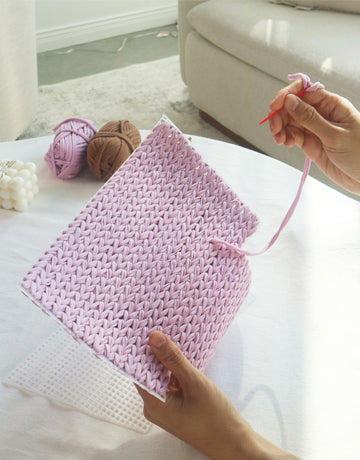

A cross stitching for beginners kit is the perfect entry point into the relaxing world of needlecraft. It bundles everything you need—pre-printed fabric, sorted threads, needles, and a hoop—into one convenient package, removing the guesswork and letting you focus on the creative process. A typical small kit can be completed in just 4 to 8 hours, making it an ideal weekend project.

Understanding the Value of a Beginner's Kit
Diving into a new hobby should be fun, but walking into a craft store can be overwhelming. A cross stitching for beginners kit is designed to make your first stitching experience joyful and successful by eliminating the "analysis paralysis" of choosing supplies.
Why a Kit Simplifies the Process
Instead of matching fabric counts to needle sizes or color-matching threads, a kit does the heavy lifting. A well-designed kit from Stitch Mingle is built around a single project, ensuring you have exactly what you need.
- No Guesswork: All materials are pre-selected to work together perfectly.
- Budget-Friendly: Buying a kit is often more affordable than purchasing supplies separately.
- Focus on the Fun: You can bypass the stressful setup and start learning the stitches immediately.
This hassle-free approach is a significant reason for the craft's growing popularity. In Canada alone, sales of beginner kits have jumped by an incredible 45% between 2020 and 2026.
"Honestly, the best part about starting with a kit is the confidence boost. When you finish that first small project, you get this amazing sense of accomplishment that makes you want to immediately pick up your needle and start another one."
Anatomy of a Stitch Mingle Beginner's Kit
We've thought through every detail to ensure your journey is as smooth as possible. Here’s a breakdown of the essential components in a typical Stitch Mingle kit.
| Component | Technical Term & Function |
|---|---|
| Fabric | Pre-Printed 11-count Aida Cloth: The pattern is stamped directly onto the fabric with water-soluble ink, showing you exactly where each stitch goes. The 11-count means there are 11 squares per inch, which is ideal for beginners. |
| Threads | Presorted 6-Strand Cotton Embroidery Floss: All thread colors are separated, labeled with their corresponding DMC color codes, and organized. This prevents tangles and saves significant time. |
| Hoop | 4-inch to 6-inch Embroidery Hoop: This tool maintains even fabric tension, which is crucial for creating uniform stitches. It consists of an inner and outer ring that clamp the Aida cloth securely. |
| Needles | Blunt-Tip Tapestry Needles (Size 24): These needles have a large eye for easy threading and a blunt tip designed to glide through the holes in Aida fabric without splitting the threads. |
| Guide | Pattern Chart & Instructions: A clear, symbol-based guide that corresponds to the floss colors, along with step-by-step instructions. |
This complete system means you can start creating something beautiful right out of the box.
How to Set Up Your Cross Stitching Station
Before you thread your first needle, a few minutes of prep will make your stitching journey much smoother. This is about creating a comfortable nook where you can relax and watch your project come to life. All you need is a cozy spot and good lighting.
Step 1: Unpack and Organize Your Kit
- Lay out all the components from your cross stitching for beginners kit.
- Familiarize yourself with the pattern chart and the presorted embroidery floss. The symbols on the chart (e.g., ★) correspond to a specific color number on your thread card (e.g., DMC #743). This is essentially color-by-number with thread.
Step 2: Secure the Fabric in the Hoop
Proper fabric tension is key to neat stitches. The embroidery hoop holds the fabric taut, providing a firm surface to work on.
- Loosen the screw on the outer hoop and separate the two rings.
- Place the inner ring on a flat surface.
- Lay your Aida fabric over the inner ring, centering the area where you'll begin stitching.
- Press the outer ring down over the fabric and the inner ring.
- Gently pull the edges of the fabric to make it taut (like the top of a small drum), then tighten the screw.
Pro Tip: Avoid overstretching the fabric. You want it firm and flat, not distorted. This is especially important for pre-printed Aida to ensure the pattern remains accurate.
Step 3: Prepare Your Thread and Lighting
- Prevent Tangles: Use shorter lengths of floss. A good measure is the distance from your fingertips to your elbow (about 18 inches). This is long enough to avoid constant re-threading but short enough to prevent knots.
- Ensure Good Lighting: Stitching in dim light can cause eye strain and mistakes. Natural daylight from a window is best. For evening sessions, a desk lamp or book light aimed at your hoop makes a significant difference.
With your space set up and materials ready, you're all set for the best part—making that first stitch.

Mastering the Essential Stitches
The entire world of cross stitch is built on just three simple stitches. Once you get these down, you can tackle almost any beginner pattern with confidence.
The Basic Cross Stitch (The 'X')
This is the core stitch, composed of two small diagonal stitches. The secret to a professional look is consistency.
- Bottom Stitch: Make your first diagonal stitch, typically from the bottom-left corner to the top-right (/). Complete all bottom stitches for a color section first.
- Top Stitch: Complete the 'X' by crossing over with the top stitch, from the bottom-right to the top-left ().
By ensuring all your top stitches lie in the same direction, your finished piece will have a uniform, professional sheen.
Outlining with the Backstitch
The backstitch is used for outlining shapes, adding lettering, and defining details. Think of it as drawing with thread. You create a solid line by bringing your needle up through the fabric, then going back down into the hole where your previous stitch ended.
Shading with the Half Stitch
A half stitch is simply the first leg of your cross stitch (/). It's used to create shading, depth, or a softer texture, often for backgrounds like skies or water. Your pattern chart will clearly indicate where half stitches are required.
Crucial Technique: Do not pull your stitches too tight. The thread should lie flat against the fabric without puckering or warping it. Even, relaxed tension is the key to a smooth, flat project. Also, avoid using knots; instead, secure the thread tail by tucking it under the first few stitches on the back.
With these three stitches in your toolkit, you're ready to complete your first cross stitching for beginners kit.
Don't Panic! How to Fix Common First-Timer Mistakes
Every stitcher makes mistakes. The great thing about cross stitch is that almost nothing is permanent. With a little patience, you can fix just about any snag.
Common Problems and Quick Solutions
| Common Problem | Quick and Easy Solution |
|---|---|
| Tangled Thread | Use shorter lengths of floss (18 inches max). Every few stitches, let your needle and thread dangle to allow the floss to untwist naturally. |
| Lumpy Stitches or Puckered Fabric | This is a tension issue. Relax your hand and aim for stitches that lie flat on the fabric. Ensure your Aida cloth is taut but not stretched in the embroidery hoop. |
| Stitched in the Wrong Spot | This is called "frogging" (because you "rip-it, rip-it"). Use your needle to gently back out the incorrect stitches. |
| Messy Thread Ends on the Back | Never use knots. To start, tuck the tail under your first few stitches. To end, weave the thread tail under 3-4 completed stitches on the back before snipping. |
| Can't See the Fabric Holes | Good lighting is essential. Stitch near a window or use a task lamp. A simple magnifier can also be a game-changer. |
| Ran Out of a Thread Color | Stitch Mingle kits include extra thread. If you run out, your pattern includes the specific DMC color code. You can buy that exact shade at any craft store or contact us for help. |
Learning to fix these hiccups is part of the handmade process and makes you a better stitcher.
Giving Your Project a Professional Finish
 A few simple finishing touches can transform your hard work into a polished piece of art. This final step removes hoop marks, washes away hand oils, and makes your thread colors pop.
How to Wash and Iron Your Project
- Wash: Fill a basin with cool water and a drop of mild, color-safe soap. Let your piece soak for about 15 minutes. This will also dissolve the pre-printed ink on stamped kits.
- Rinse: Rinse thoroughly under cool, running water.
- Dry: Lay the fabric on a clean, thick towel, roll it up snugly, and press to remove excess water. Unroll and lay it flat on a dry towel to air dry completely.
- Iron: Place a clean towel on your ironing board, lay your cross stitch face-down on the towel, and iron from the back with a warm, dry iron. Ironing on a soft surface protects your stitches from being flattened.
Framing Your Work in the Hoop
One of the easiest and most charming ways to display your work is to frame it in the hoop you used.
- Center your ironed design in the hoop and pull the fabric taut.
- Trim the excess fabric, leaving a two-inch border.
- Using a needle and thread, sew a running stitch around the edge of the fabric border.
- Gently pull the thread to gather the fabric toward the center like a drawstring and tie it off.
- For a tidy finish, cut a circle of felt to the size of the hoop and glue or stitch it onto the back to cover the gathered fabric.
This hoop-framing method is fantastic for beginners. It requires no special tools and creates an instant piece of art ready to hang or give as a gift.
Your Cross Stitching Questions Answered
Here are answers to some of the most common questions from those just starting with their first cross stitching for beginners kit.
How Long Does a Beginner Project Take?
Most beginners can finish a small kit in about 4 to 8 hours, depending on the pattern's complexity and your stitching pace. Our Stitch Mingle kits are designed to be perfect weekend projects.
Can I Wash My Finished Piece?
Yes, and we recommend it! A gentle hand-wash in cool water with mild soap will remove oils and make the colors vibrant. Blot dry with a towel and lay flat to air dry.
Pro Tip: Use a color catcher sheet in the water when washing for the first time to catch any potential dye bleed and give you peace of mind.
What if I Run Out of Thread?
We pack our kits with ample thread. If you do run short, your pattern includes the specific DMC color code for every thread. You can buy an exact match at any craft store or contact us at Stitch Mingle for help.
What's the Difference Between Stamped and Counted Cross Stitch?
The difference lies in the fabric:
- Counted Cross Stitch: Uses blank Aida fabric. You use a separate paper chart and must count the squares on the fabric to place your stitches.
- Stamped Cross Stitch: The pattern is pre-printed onto the fabric with water-soluble ink. You stitch directly over the printed guide, making it much more beginner-friendly. The ink washes out when you are finished.
All our beginner kits use the stamped method to provide a forgiving and enjoyable learning experience.
Explore more of our helpful guides:
- Cross Stitch vs Embroidery: What's the Difference?
- Discover Beautiful Flower Design in Cross Stitch Kits
- Find Your Next Project: Cross Stitch and Embroidery Kits for Beginners
Ready to start your creative journey? Explore our full range of beginner-friendly craft kits at Stitch Mingle and discover your next favorite hobby. Find your perfect project here: https://stitchmingle.com.